Ledger Wallet for desktop
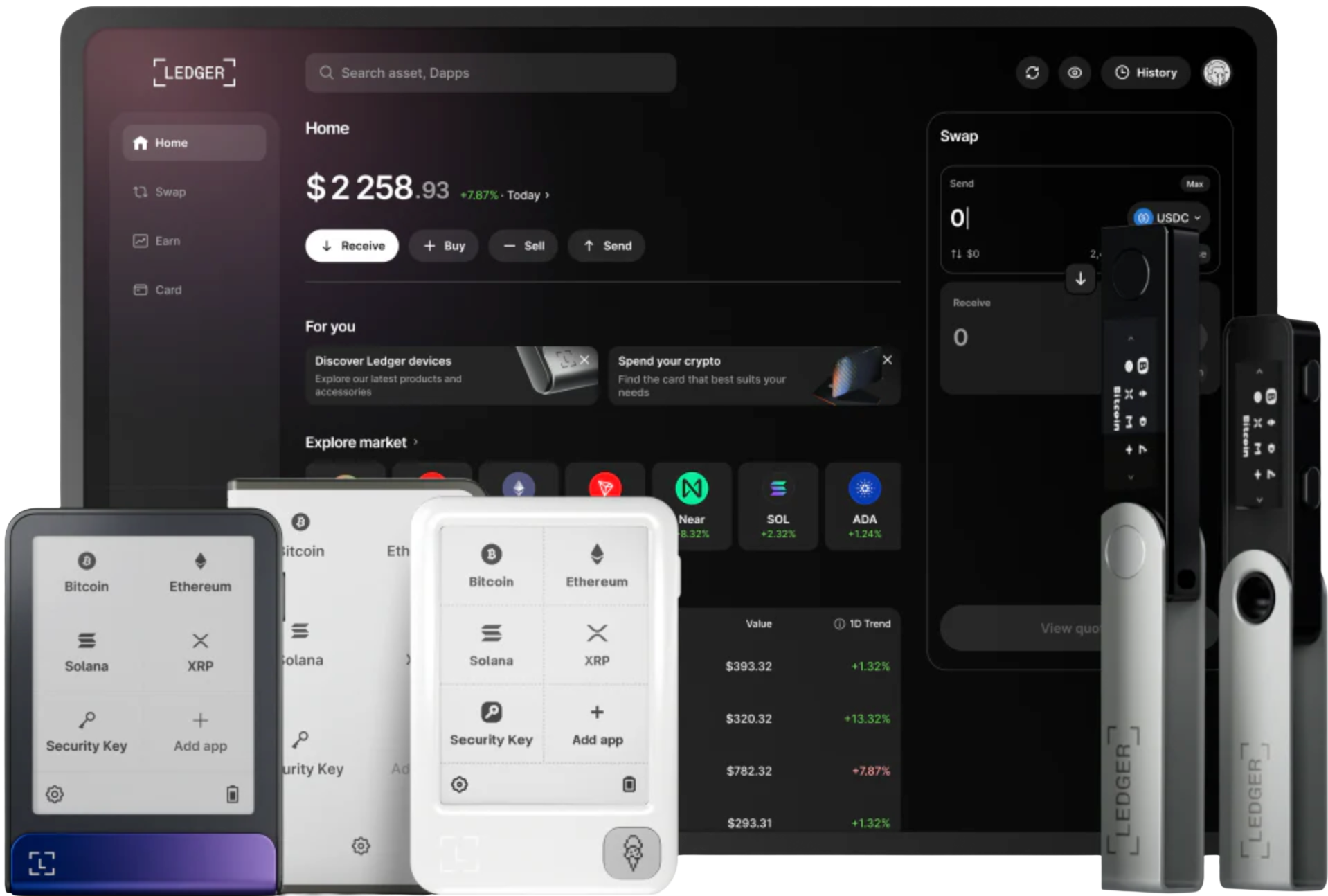

LEDGER WALLET APP
Ledger Wallet is the app for viewing accounts, managing supported crypto assets, and starting Web3 actions. A Ledger hardware wallet is used to review transaction details on the device screen before signing.
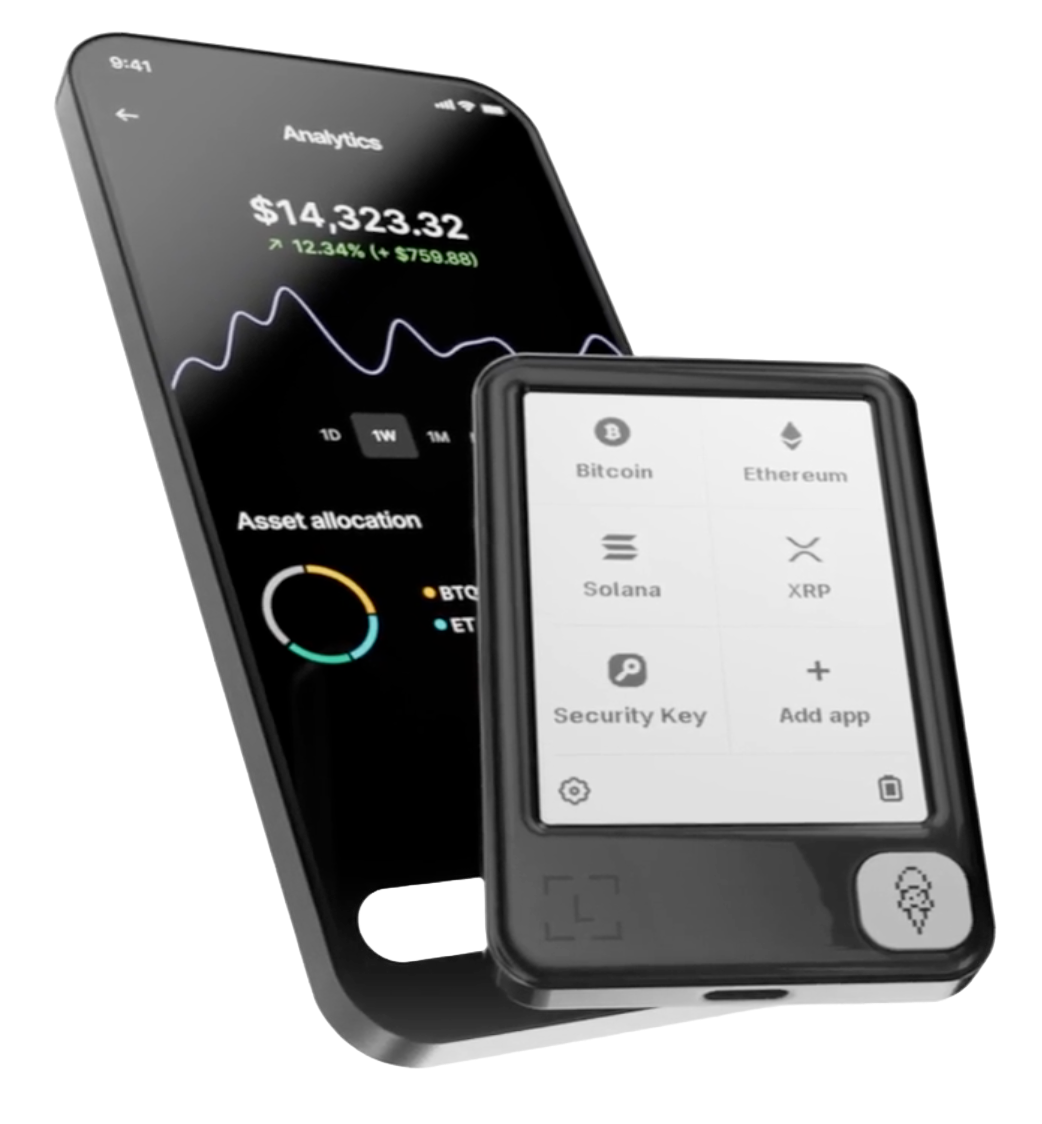
Choose the desktop or mobile version that matches your device and workflow.
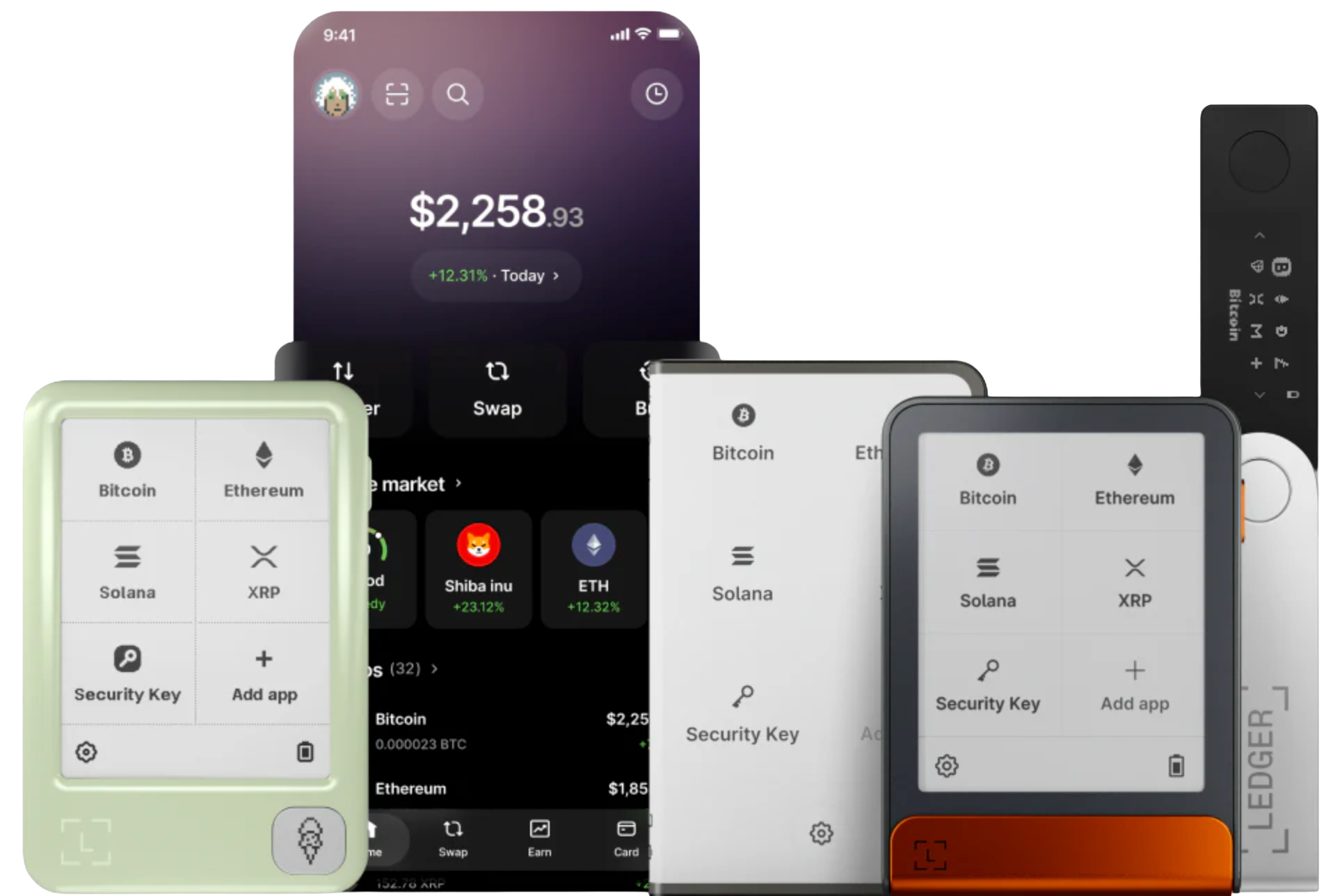
Ledger Wallet shows balances, supported services, and transaction requests; the Ledger device screen is used for verification before approval.
View balances, supported assets, and portfolio changes before choosing an action.
Start swaps, staking, receiving, sending, and Web3 connections from one app interface.
Check addresses, amounts, fees, and approvals on the Ledger device screen before signing.
Ledger Wallet supports account views and actions across many crypto assets. Actual availability depends on the asset, network, device app, and service provider.
Ledger Wallet is used to view accounts, receive and send crypto, access supported services, and manage multi chain activity.
Ledger hardware wallets keep private keys inside the device and show transaction details for user review before signing.
WEB3 CONNECTIONS
Ledger Wallet can be used with supported decentralized apps. When a request involves a transfer, approval, or signature, users should compare the app request with the information shown on the Ledger device screen.
BUY AND SWAP
Ledger Wallet can show supported buy and swap services. Before confirming any order or transaction, users should check the asset, network, provider, amount, fee, and receiving address.
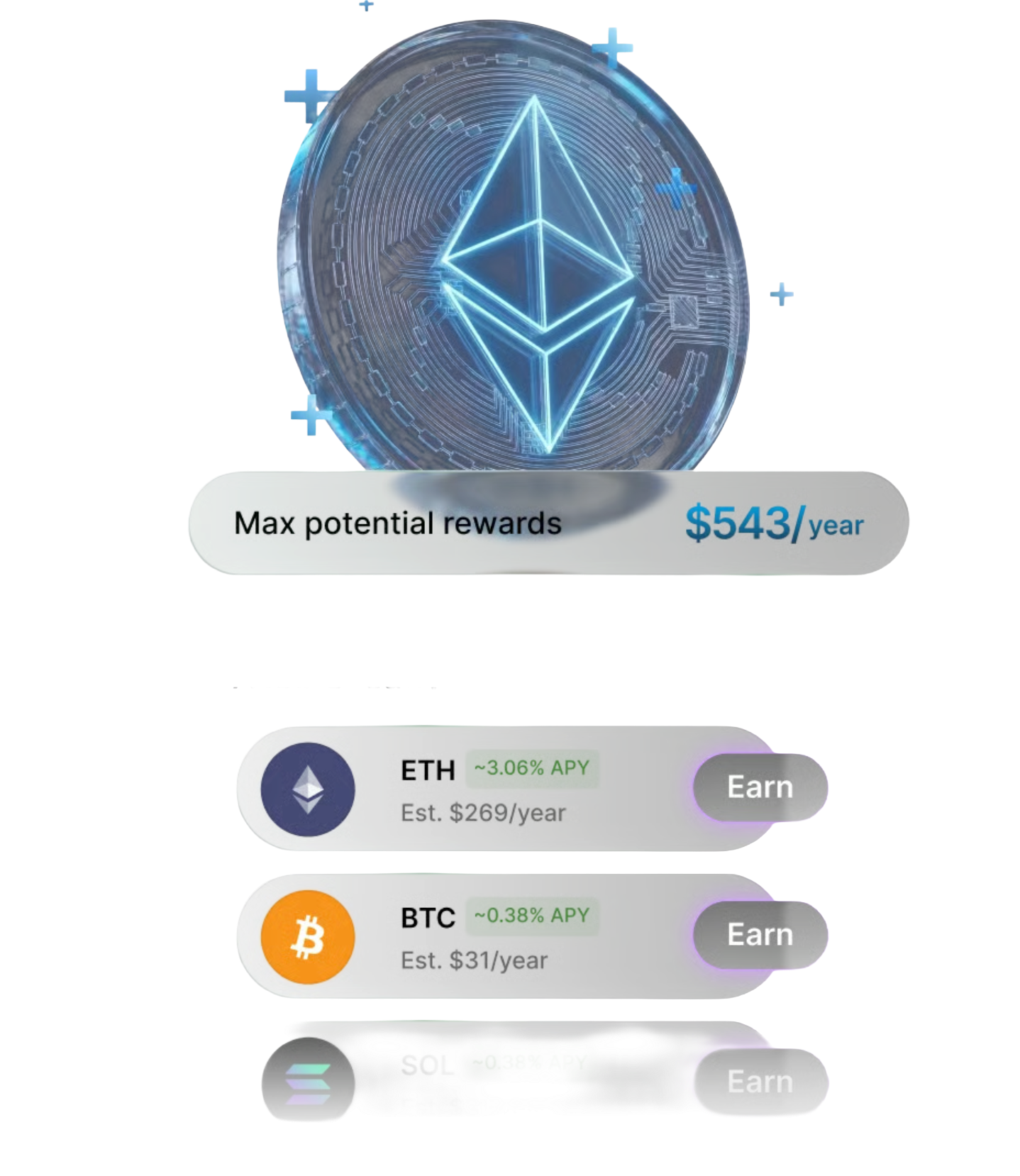
STAKING
Ledger Wallet can show staking options for supported assets and providers. Users should review the validator, lockup rules, reward terms, network fees, and device screen details before signing.
Ledger Wallet is used to view crypto accounts, manage supported assets, start transfers, access supported services, and connect to Web3 apps.
The app displays balances, routes, providers, and requests. A Ledger hardware wallet is used to review and sign key actions.
This separation helps users distinguish account management in the app from transaction approval on the device.
Ledger Wallet is the app interface. It does not replace the Ledger hardware wallet that stores private keys and signs transactions.
When a transaction or approval is created, the user should compare the app request with the details shown on the Ledger device screen.
The app helps users start actions; the device is where addresses, amounts, fees, and approvals are checked before signing.
Ledger private keys are generated and stored inside the Ledger hardware wallet, not inside the website or a normal app screen.
The recovery phrase is the backup for those keys. Anyone with the recovery phrase can access the related assets.
Recovery phrases, seed words, private keys, and PIN codes should not be typed into websites, forms, chats, or support messages.
After downloading Ledger Wallet, check the app name, platform, device connection, firmware prompts, account network, and any request shown by the app.
Before signing, compare the address, network, amount, fee, and approval type on the Ledger device screen.
Desktop is often used for firmware updates, account management, and larger screen review. Mobile is useful for account monitoring and supported actions on the go.
Users may use both versions with the same Ledger device, depending on operating system support and available features.
The device screen is the final place to review a transaction before signing. It shows details that should match the action the user intended to make.
If the device screen shows an unexpected address, network, amount, fee, or approval, the user should cancel and check the source again.
Ledger Wallet can connect to supported Web3 apps and services. Connection requests may involve viewing an account, approving a contract, or signing a message.
Users should review what the Web3 app is requesting and use the device screen as the reference before approving.
Do not enter a recovery phrase, seed phrase, private key, or PIN into Ledger Wallet, a website, a form, an email, or a support chat.
Those credentials are used to control assets. If a screen asks for them outside a clear device recovery flow, stop and verify the source.