
Private keys stay on a dedicated Ledger device
LEDGER HARDWARE WALLETS
Protect private keys.
Verify every transaction.
Ledger hardware wallets keep private keys inside a dedicated device. Ledger Wallet shows accounts and supported services, while the device screen is used to review addresses, amounts, fees, and approvals before signing.
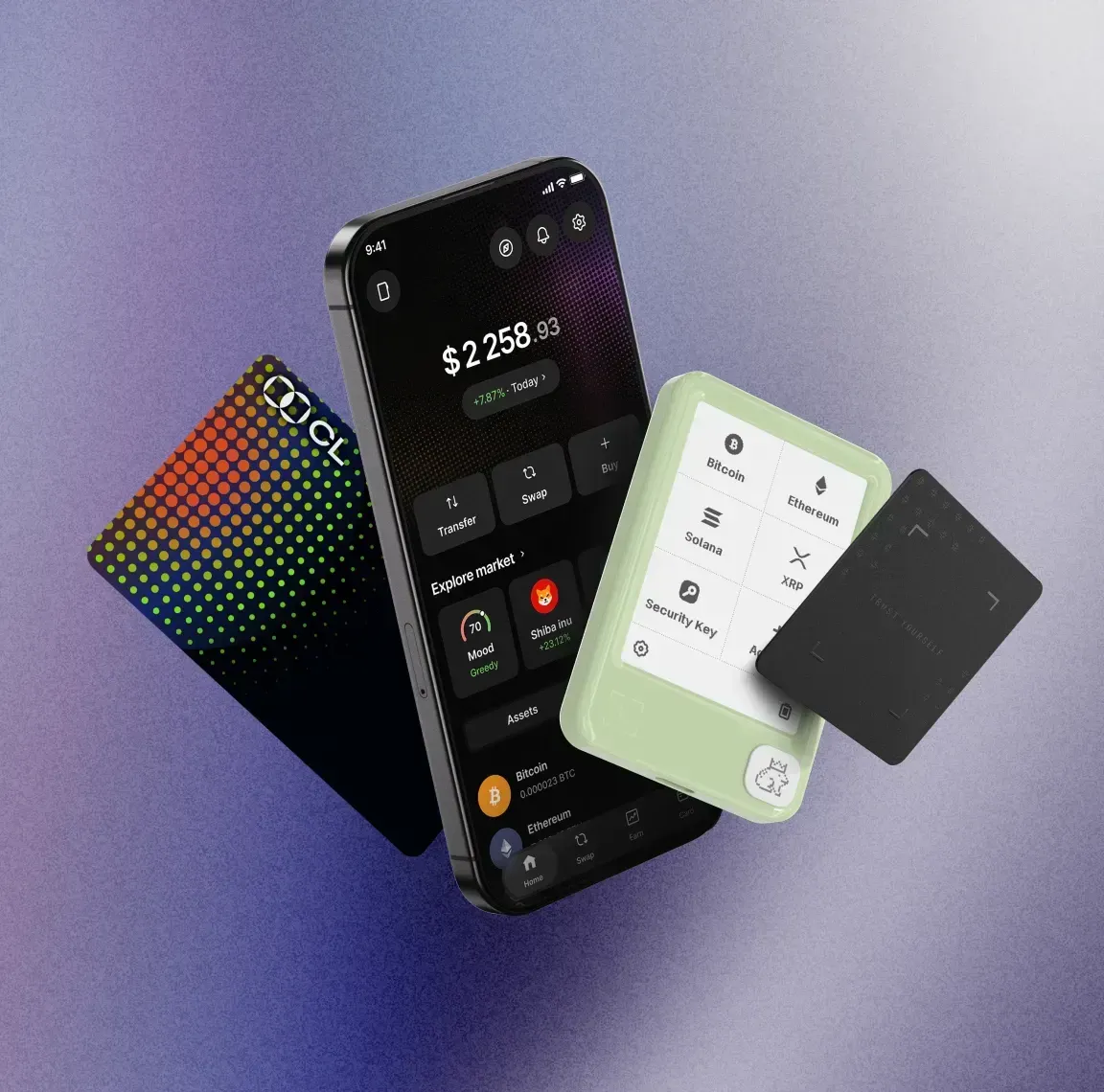
Transaction details are checked on the device screen
Recovery phrases should never be entered online
Clear transaction review
Review the address, network, amount, fee, and approval request before a transaction is signed.
Account and asset management
Use Ledger Wallet to view accounts, manage supported assets, and access compatible Web3 services.
Private key control
The app prepares actions; the hardware wallet holds the private keys and confirms the signature.
START WITH THE SECURITY MODEL
A Ledger wallet separates asset management from private key storage
LEDGER HARDWARE DEVICES
Why a hardware wallet matters
A phone or computer connects to the internet and runs many apps. A Ledger hardware wallet keeps the private key in a separate device and asks the user to review transaction details on its screen.
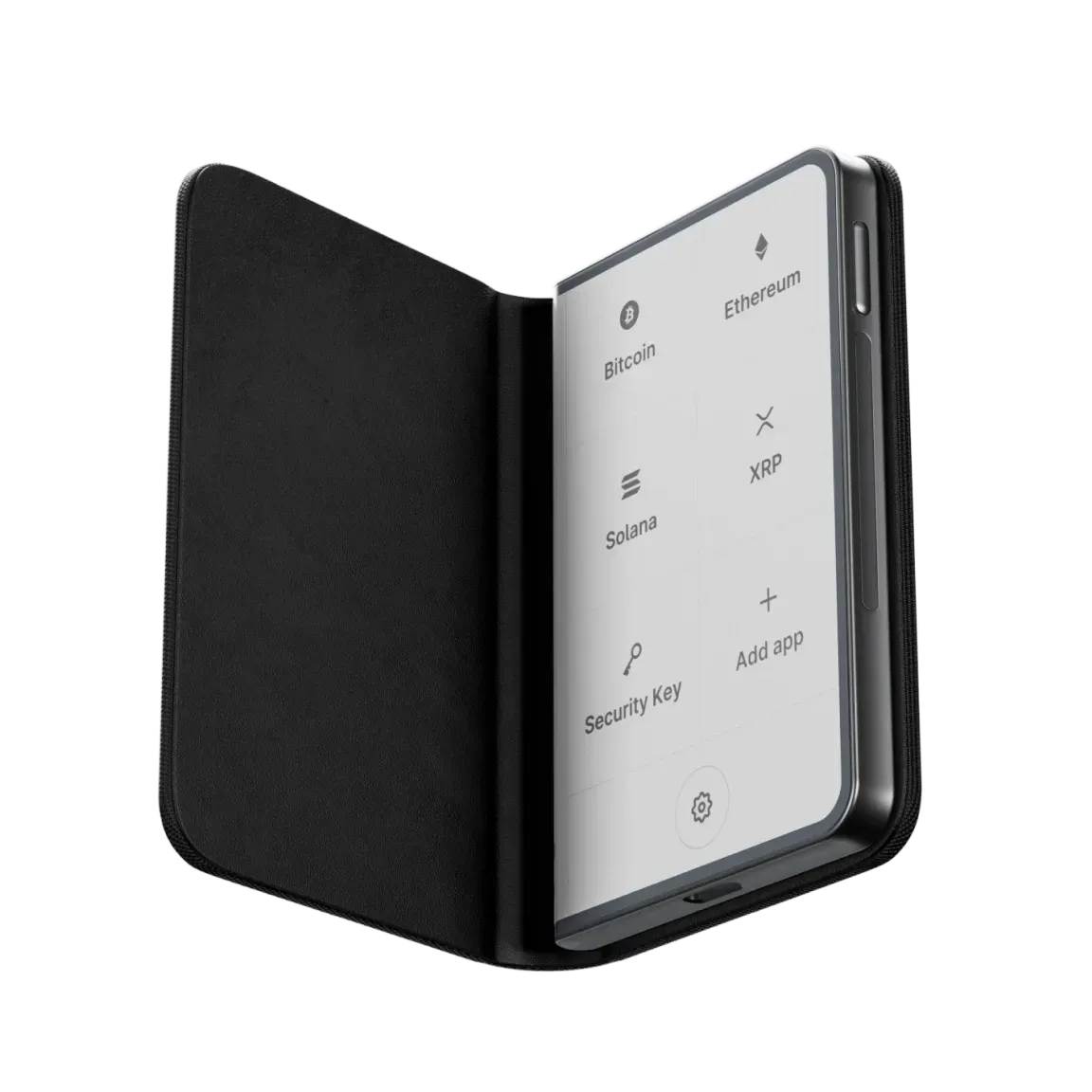
Ledger Stax™
Curved touchscreen deviceFor users who want a larger screen to review accounts, NFTs, and transaction details.
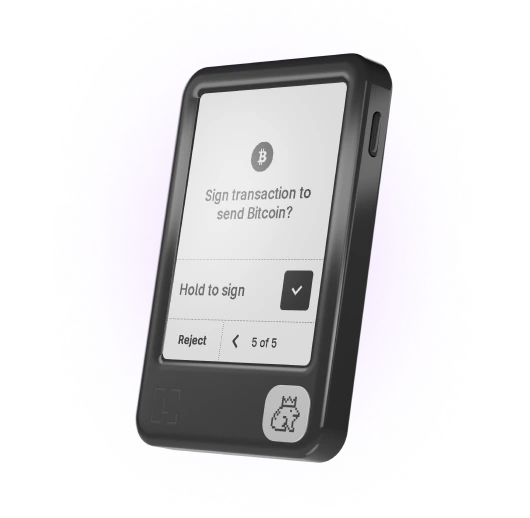
Ledger Flex™
Large touchscreen deviceFor users who prefer touch navigation when checking addresses, amounts, and approvals.
New
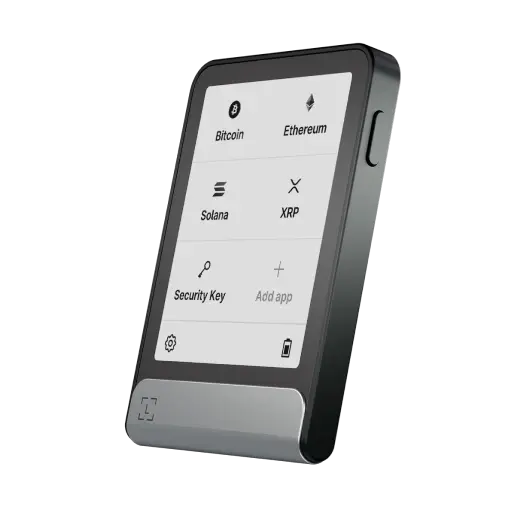
Ledger Nano™ Gen5
Lightweight Ledger deviceFor everyday account management with device-based transaction confirmation.
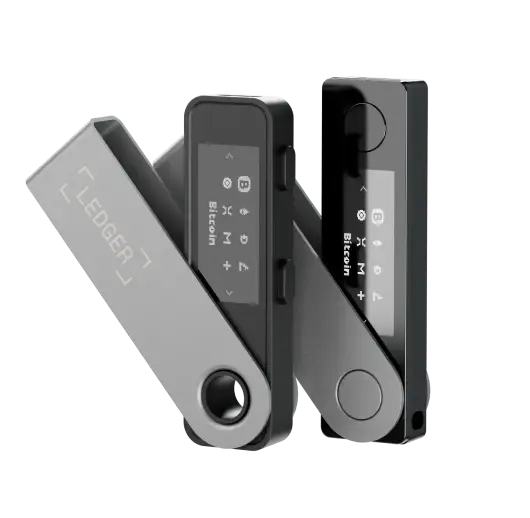
Ledger Nano™ Classic
Compact Ledger deviceFor long-term holding, backup use, and separating daily activity from stored assets.
SUPPORTED CRYPTO ASSETS
Supported crypto assets,
managed with device review
Ledger Wallet supports account views and operations for Bitcoin, Ethereum, Solana, XRP, stablecoins, NFTs, and many tokens. Availability depends on the asset, network, app version, and compatible service.
LEDGER WALLET
Ledger Wallet manages accounts.
Ledger devices sign transactions.
Ledger Wallet is used to view balances, receive and send crypto, manage accounts, and connect to supported services. A Ledger device is used to verify transaction details before signing.
Open Ledger Wallet
EVERYDAY USE
Use crypto only after checking transaction details
When Ledger Wallet connects to payment or account services, users should review the network, recipient, amount, fee, and approval shown on the Ledger device before confirming.
Open Ledger Wallet
SWAPS AND WEB3
Connect to Web3 with device screen review
Ledger Wallet can connect to supported swap, staking, and Web3 services. Before approving, users should check the contract, token, approval scope, address, network, and fee on the device.
Open Ledger Wallet
Frequently asked questions about Ledger hardware wallets
Direct answers to common questions about private keys, device signing, recovery phrases, supported assets, and Web3 approvals.
A Ledger hardware wallet is a device that stores crypto private keys separately from a phone, computer, or exchange account.
It is used to create or restore accounts, display transaction details, and approve signatures only after the user reviews the information on the device screen.
The core purpose is private key protection: the app helps users manage accounts, and the hardware wallet confirms the signature.
A Ledger hardware wallet keeps private keys inside the device. The private key is not meant to be typed into a website, browser wallet, chat window, or support form.
When a user sends crypto or approves a Web3 request, the Ledger device shows transaction details before the action is signed.
The user should compare the device screen with the intended address, amount, network, fee, and approval scope before confirming.
Ledger Wallet is the app interface for balances, accounts, receiving, sending, swaps, staking, and compatible Web3 connections.
A Ledger hardware wallet is the physical device that keeps private keys inside the device and displays transaction details for review.
The app and the device work together: the app prepares the action, and the device confirms the signature.
Exchange accounts and software wallets rely on online environments that may expose users to account access, browser, malware, or signing risks.
A Ledger hardware wallet separates private key storage from the computer or phone used to manage assets.
This separation is useful for long-term holdings, NFT accounts, multi-chain portfolios, and Web3 approvals that require careful review.
Ledger Wallet can be used to view accounts, receive and send supported crypto, manage portfolios, and connect to compatible services.
For actions that involve signing, users should connect a Ledger hardware wallet and check the device screen before approving.
The app is not a replacement for reviewing transaction details on the hardware device.
A Ledger recovery phrase should only be used in a clear device recovery flow chosen by the user.
It should not be entered on a website, in a browser extension, in a chat window, in an email, or in a form that claims to provide support.
If a page or person asks for the recovery phrase, the user should stop and verify the source before continuing.
Ledger Wallet can manage supported accounts for Bitcoin, Ethereum, Solana, XRP, stablecoins, NFTs, and many tokens.
Supported functions vary by asset, network, app version, and connected service.
Users should confirm that the selected network, address format, and token contract match the asset they intend to manage.
Before approving a Web3 request, users should check the website source, contract, token, permission, recipient address, network, amount, and fee.
The Ledger device screen is the reference point for what is being signed.
If the device screen does not match the intended action, the user should cancel and review the request again.